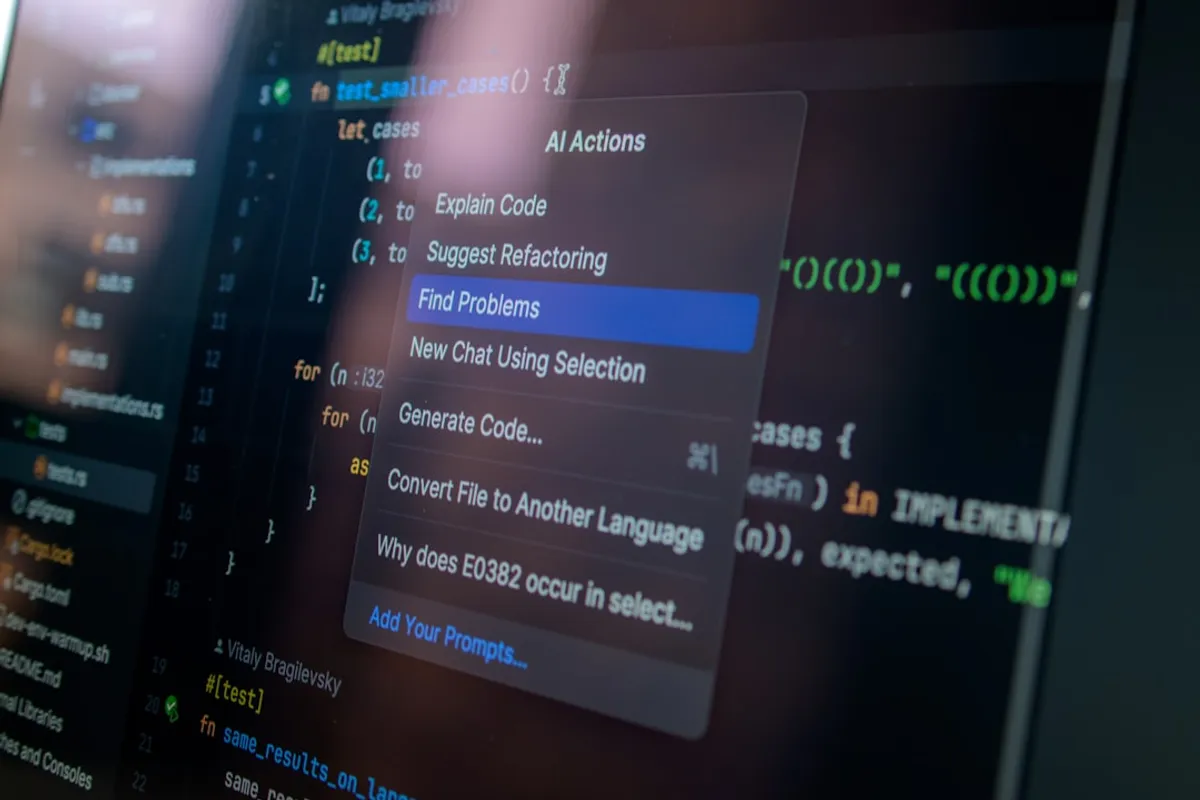
AI编程的新纪元:Claude Opus 4.6与GPT-5.3-Codex同日发布 | New Era of AI Programming: Claude Opus 4.6 and GPT-5.3-Codex Released Same Day
AI编程的新纪元:Claude Opus 4.6与GPT-5.3-Codex同日发布
2026年2月5日,AI领域迎来了一个历史性的时刻——Anthropic和OpenAI在同一天发布了各自最新的AI编程模型:Claude Opus 4.6和GPT-5.3-Codex。这两款模型的发布,不仅展示了AI编程技术的最新突破,更标志着AI辅助开发进入了全新的竞争阶段。
Claude Opus 4.6:Agent Teams时代到来
Anthropic推出的Claude Opus 4.6在多个维度实现了重大突破,其中最引人注目的是Agent Teams功能的引入。
核心特性
1. Agent Teams - 多Agent协作
- 🤝 团队协作:多个AI agent可以协同工作,将大任务分解为小任务
- 🔄 任务分工:不同agent负责不同专业领域(代码审查、测试、文档等)
- 📊 协同效率:显著提升复杂项目的开发速度和质量
2. 1M Token上下文窗口
- 📚 超大上下文:100万token的上下文窗口,约等于75万个单词
- 🎯 完整项目理解:可以一次性理解整个大型代码库
- 📖 长文档处理:轻松处理数百页的技术文档
3. Context Compaction技术
- 🗜️ 智能压缩:Claude可以总结自己的上下文,避免触及token限制
- 🔄 持续运行:支持长时间运行的任务,不会因为上下文过长而中断
- 💾 关键信息保留:在压缩过程中保留最重要的信息
4. Claude Code深度集成
- 💻 IDE集成:在开发环境中直接使用Agent Teams
- 🛠️ 自动化工作流:从编码到测试到部署的全流程自动化
- 🎨 用户体验优化:更自然的交互方式
技术突破
推理能力提升
- Opus 4.6在专家级推理任务中表现优异
- 复杂问题拆解和解决能力显著增强
- 多步骤逻辑推理更加准确
企业级应用
- 专为办公和编程工作设计
- 可替代部分专业软件工具
- 提升企业生产效率
GPT-5.3-Codex:25%更快,全栈能力
OpenAI发布的GPT-5.3-Codex则在速度和全能性上实现了突破。
核心特性
1. 性能提升25%
- ⚡ 更快响应:相比GPT-5.2-Codex速度快25%
- 🚀 实时协作:开发者可以在模型工作过程中进行交互和引导
- 💨 流畅体验:更低的延迟,更自然的对话体验
2. 双重能力融合
- 🧠 推理能力:继承GPT-5.2的专业知识和推理能力
- 💻 编程能力:延续GPT-5.2-Codex的领先代码生成能力
- 🎯 统一模型:一个模型处理所有软件工程任务
3. 自我开发能力
- 🔁 自我迭代:模型被用于自身的开发和调试
- 🛠️ 全栈开发:从训练到部署的完整生命周期
- 📈 加速进化:AI加速了AI本身的开发速度
4. 软件生命周期全覆盖 GPT-5.3-Codex不再只是写代码,而是支持软件开发的各个环节:
- 🔍 调试(Debugging)
- 🚀 部署(Deployment)
- 📊 监控(Monitoring)
- 📝 PRD撰写(Writing PRDs)
- ✏️ 文案编辑(Editing Copy)
- 🔬 用户研究(User Research)
- 🧪 测试(Tests)
- 📈 指标分析(Metrics)
性能基准
SWE-Bench Pro:业界最高分数
- 支持四种编程语言
- 更具挑战性和行业相关性
- 污染抵抗能力更强
Terminal-Bench 2.0:远超前代
- 测试terminal操作技能
- 用更少的tokens完成任务
- 实际应用能力突出
OSWorld & GDPval:强劲表现
- 在agent能力评估中表现出色
- 专业知识工作能力匹配GPT-5.2
- 跨44个职业的评估表现优异
两款模型的对比分析
| 特性 | Claude Opus 4.6 | GPT-5.3-Codex |
|---|---|---|
| 核心优势 | Agent Teams + 1M上下文 | 速度 + 全栈能力 |
| 上下文窗口 | 1M tokens | 未公布(预期较大) |
| 速度提升 | 未强调 | 25% faster |
| 协作模式 | 多Agent团队 | 人机协作 |
| 应用场景 | 企业级复杂项目 | 全栈软件开发 |
| 技术亮点 | Context Compaction | 自我开发能力 |
对开发者的影响
Claude Opus 4.6的影响
1. 团队协作新模式
# Agent Teams 示例
{
  "agents": [
    {"role": "code_reviewer", "task": "审查代码质量"},
    {"role": "test_engineer", "task": "生成测试用例"},
    {"role": "doc_writer", "task": "编写技术文档"},
    {"role": "optimizer", "task": "性能优化"}
  ],
  "workflow": "parallel"
}
2. 超大项目管理
- 一次性理解整个monorepo
- 跨模块重构和优化
- 复杂架构设计辅助
3. 长文档处理
- 分析数百页的规范文档
- 从长文档中提取关键信息
- 生成项目级技术文档
GPT-5.3-Codex的影响
1. 全栈开发体验
// 从PRD到部署的全流程
const workflow = [
  "analyze_requirements",  // 分析需求
  "write_prd",            // 撰写PRD
  "design_architecture",   // 设计架构
  "implement_code",        // 实现代码
  "write_tests",          // 编写测试
  "deploy",               // 部署
  "monitor"               // 监控
];
2. 实时协作开发
- 开发过程中可以随时介入和引导
- 保持上下文不丢失
- 像与同事协作一样自然
3. 跨领域能力
- 不仅写代码,还能写文档、做研究、分析数据
- 减少工具切换
- 提升整体工作效率
行业影响与未来展望
竞争格局
AI编程进入双雄时代
- Anthropic vs OpenAI的直接竞争
- 技术路线的差异化(Agent Teams vs 全栈统一)
- 开发者受益于技术进步
开源模型的挑战
- 开源模型需要追赶这两款闭源模型
- 优势在于本地部署和隐私保护
- 可能会出现新的开源竞争者
未来趋势
1. Agent生态爆发 Claude Opus 4.6的Agent Teams可能催生:
- 专门的Agent市场
- 领域特定的Agent(安全、性能、测试)
- 第三方Agent开发工具
2. AI辅助开发的新标准
- 1M token上下文成为新基准
- Agent协作成为标配
- 全栈能力成为必需
3. 开发者角色转变
- 从”写代码”到”设计系统”
- 从”实现功能”到”审查和优化”
- 从”单人战斗”到”指挥AI团队”
4. 企业采用加速
- 更强的能力推动企业采用
- ROI更加明确
- 安全性和可控性成为关注重点
开发者如何选择
选择Claude Opus 4.6的场景
✅ 大型企业项目
- 需要处理超大代码库
- 复杂的业务逻辑
- 需要多团队协作
✅ 长文档处理
- 需要分析大量文档
- 技术研究和对比
- 知识库构建
✅ Agent生态
- 需要多个专业Agent协作
- 定制化Agent开发
- 工作流自动化
选择GPT-5.3-Codex的场景
✅ 全栈开发
- 从需求到部署的完整流程
- 需要处理多种任务
- 追求开发速度
✅ 实时协作
- 需要在开发过程中频繁交互
- 快速迭代和调试
- 敏捷开发模式
✅ 初创项目
- 小团队需要全能助手
- 快速原型开发
- 多面手需求
挑战与思考
技术挑战
1. 成本控制
- 超大上下文意味着更高成本
- 需要优化token使用策略
- ROI评估变得更加重要
2. 响应速度
- 1M token的处理时间
- Agent Teams的协调开销
- 用户体验平衡
3. 质量保证
- AI生成的代码质量参差不齐
- 需要建立完善的审查机制
- 测试覆盖变得更加关键
伦理与安全
1. 就业影响
- AI能力增强可能替代更多开发任务
- 开发者需要提升技能
- 新的就业机会出现
2. 数据安全
- 企业代码库的安全问题
- 敏感信息泄露风险
- 本地部署需求
3. 依赖风险
- 过度依赖AI可能降低基础能力
- 需要保持独立思考
- 平衡AI辅助与人工判断
实用建议
对开发者
1. 立即尝试
- ✅ 申请Claude Opus 4.6访问权限
- ✅ 试用GPT-5.3-Codex
- ✅ 在实际项目中评估效果
2. 学习新技能
- 🎓 学习如何设计和使用Agent Teams
- 🎓 掌握全栈开发的AI协作方式
- 🎓 提升系统设计和架构能力
3. 建立最佳实践
- 📝 制定AI辅助开发规范
- 🔍 建立代码审查流程
- 📊 跟踪效率和质量的提升
4. 保持独立性
- 🧠 不要完全依赖AI
- 📚 持续学习基础原理
- 💡 培养批判性思维
对企业
1. 评估和选型
- 根据项目需求选择合适的模型
- 考虑成本、安全性、性能等因素
- 建立评估标准
2. 培训团队
- 提供AI工具培训
- 建立知识分享机制
- 培养AI协作能力
3. 建立规范
- 制定AI使用政策
- 确保代码质量和安全
- 建立审查流程
4. 持续优化
- 跟踪AI工具的进展
- 收集使用反馈
- 优化工作流程
结语
2026年2月5日,这一天将载入AI编程史册。Claude Opus 4.6和GPT-5.3-Codex的同日发布,标志着AI辅助开发进入了全新的竞争阶段。
Anthropic选择了Agent Teams路线,通过多Agent协作实现复杂任务自动化;OpenAI则选择了全栈统一路线,通过速度和全能性打造一站式开发助手。
无论哪条路线,都在推动AI编程能力的边界不断扩展。对于开发者来说,这是一个最好的时代——我们有了强大的AI助手,可以更专注于创造性和战略性的工作;这也是一个充满挑战的时代——我们需要不断学习新技能,适应人机协作的新模式。
未来已来,你准备好了吗?
New Era of AI Programming: Claude Opus 4.6 and GPT-5.3-Codex Released Same Day
February 5, 2026, marked a historic moment in the AI field—Anthropic and OpenAI both released their latest AI programming models on the same day: Claude Opus 4.6 and GPT-5.3-Codex. The release of these two models not only showcases the latest breakthroughs in AI programming technology but also signals that AI-assisted development has entered a new competitive phase.
Claude Opus 4.6: The Era of Agent Teams
Anthropic’s Claude Opus 4.6 achieves major breakthroughs across multiple dimensions, with the most notable being the introduction of Agent Teams functionality.
Core Features
1. Agent Teams - Multi-Agent Collaboration
- 🤝 Team Collaboration: Multiple AI agents can work together, breaking large tasks into smaller ones
- 🔄 Task Division: Different agents handle different specialized areas (code review, testing, documentation, etc.)
- 📊 Collaborative Efficiency: Significantly improves development speed and quality for complex projects
2. 1M Token Context Window
- 📚 Ultra-Large Context: 1 million token context window, approximately 750,000 words
- 🎯 Complete Project Understanding: Can understand entire large codebases at once
- 📖 Long Document Processing: Easily handles hundreds of pages of technical documentation
3. Context Compaction Technology
- 🗜️ Smart Compression: Claude can summarize its own context to avoid hitting token limits
- 🔄 Continuous Operation: Supports long-running tasks without interruption due to context length
- 💾 Key Information Retention: Preserves most important information during compression
4. Deep Claude Code Integration
- 💻 IDE Integration: Use Agent Teams directly in development environments
- 🛠️ Automated Workflows: Full process automation from coding to testing to deployment
- 🎨 User Experience Optimization: More natural interaction methods
Technical Breakthroughs
Enhanced Reasoning
- Opus 4.6 excels in expert-level reasoning tasks
- Significantly improved complex problem decomposition and solving abilities
- More accurate multi-step logical reasoning
Enterprise Applications
- Designed specifically for office and programming work
- Can replace some specialized software tools
- Improves enterprise productivity
GPT-5.3-Codex: 25% Faster, Full-Stack Capabilities
OpenAI’s GPT-5.3-Codex achieves breakthroughs in speed and versatility.
Core Features
1. 25% Performance Boost
- ⚡ Faster Response: 25% faster than GPT-5.2-Codex
- 🚀 Real-Time Collaboration: Developers can interact and guide the model while it’s working
- 💨 Smoother Experience: Lower latency, more natural conversational experience
2. Dual Capability Fusion
- 🧠 Reasoning Ability: Inherits GPT-5.2’s professional knowledge and reasoning capabilities
- 💻 Programming Ability: Extends GPT-5.2-Codex’s leading code generation capabilities
- 🎯 Unified Model: One model handles all software engineering tasks
3. Self-Development Capability
- 🔁 Self-Iteration: The model was used for its own development and debugging
- 🛠️ Full-Stack Development: Complete lifecycle from training to deployment
- 📈 Accelerated Evolution: AI accelerates its own development speed
4. Complete Software Lifecycle Coverage GPT-5.3-Codex is no longer just about writing code—it supports every stage of software development:
- 🔍 Debugging
- 🚀 Deployment
- 📊 Monitoring
- 📝 Writing PRDs
- ✏️ Editing Copy
- 🔬 User Research
- 🧪 Tests
- 📈 Metrics
Performance Benchmarks
SWE-Bench Pro: Industry-leading scores
- Supports four programming languages
- More challenging and industry-relevant
- Stronger contamination resistance
Terminal-Bench 2.0: Far surpasses previous generation
- Tests terminal operation skills
- Completes tasks with fewer tokens
- Outstanding practical application capabilities
OSWorld & GDPval: Strong performance
- Excellent performance in agent capability evaluations
- Professional knowledge work ability matches GPT-5.2
- Outstanding performance across 44 occupations
Comparative Analysis
| Feature | Claude Opus 4.6 | GPT-5.3-Codex |
|---|---|---|
| Core Advantage | Agent Teams + 1M Context | Speed + Full-Stack |
| Context Window | 1M tokens | Not disclosed (expected large) |
| Speed Improvement | Not emphasized | 25% faster |
| Collaboration Model | Multi-Agent Teams | Human-AI Collaboration |
| Use Cases | Enterprise Complex Projects | Full-Stack Development |
| Technical Highlight | Context Compaction | Self-Development |
Impact on Developers
Claude Opus 4.6 Impact
1. New Team Collaboration Patterns
# Agent Teams Example
{
  "agents": [
    {"role": "code_reviewer", "task": "Review code quality"},
    {"role": "test_engineer", "task": "Generate test cases"},
    {"role": "doc_writer", "task": "Write technical docs"},
    {"role": "optimizer", "task": "Performance optimization"}
  ],
  "workflow": "parallel"
}
2. Ultra-Large Project Management
- Understand entire monorepos at once
- Cross-module refactoring and optimization
- Complex architecture design assistance
3. Long Document Processing
- Analyze hundreds of pages of specification documents
- Extract key information from long documents
- Generate project-level technical documentation
GPT-5.3-Codex Impact
1. Full-Stack Development Experience
// Full workflow from PRD to deployment
const workflow = [
  "analyze_requirements",  // Analyze requirements
  "write_prd",            // Write PRD
  "design_architecture",   // Design architecture
  "implement_code",        // Implement code
  "write_tests",          // Write tests
  "deploy",               // Deploy
  "monitor"               // Monitor
];
2. Real-Time Collaborative Development
- Intervene and guide anytime during development
- Maintain context without loss
- As natural as collaborating with a colleague
3. Cross-Domain Capabilities
- Not just code, but also docs, research, data analysis
- Reduce tool switching
- Improve overall work efficiency
Industry Impact & Future Outlook
Competitive Landscape
AI Programming Enters Two-Power Era
- Direct competition between Anthropic vs OpenAI
- Differentiated technical approaches (Agent Teams vs Full-Stack)
- Developers benefit from technological progress
Open Source Model Challenges
- Open source models need to catch up to these closed-source models
- Advantages in local deployment and privacy protection
- New open source competitors may emerge
Future Trends
1. Agent Ecosystem Explosion Claude Opus 4.6’s Agent Teams may spawn:
- Specialized Agent marketplaces
- Domain-specific agents (security, performance, testing)
- Third-party agent development tools
2. New Standards for AI-Assisted Development
- 1M token context becomes new baseline
- Agent collaboration becomes standard
- Full-stack capabilities become essential
3. Developer Role Transformation
- From “writing code” to “designing systems”
- From “implementing features” to “reviewing and optimizing”
- From “solo combat” to “commanding AI teams”
4. Enterprise Adoption Acceleration
- Stronger capabilities drive enterprise adoption
- More clear ROI
- Security and controllability become key concerns
How to Choose
Scenarios for Claude Opus 4.6
✅ Large Enterprise Projects
- Need to handle ultra-large codebases
- Complex business logic
- Need multi-team collaboration
✅ Long Document Processing
- Need to analyze large amounts of documentation
- Technical research and comparison
- Knowledge base construction
✅ Agent Ecosystem
- Need multiple specialized agents collaborating
- Customized agent development
- Workflow automation
Scenarios for GPT-5.3-Codex
✅ Full-Stack Development
- Complete process from requirements to deployment
- Need to handle multiple task types
- Pursue development speed
✅ Real-Time Collaboration
- Need frequent interaction during development
- Rapid iteration and debugging
- Agile development mode
✅ Startup Projects
- Small teams need versatile assistants
- Rapid prototype development
- Multi-skilled requirements
Challenges & Considerations
Technical Challenges
1. Cost Control
- Ultra-large context means higher costs
- Need to optimize token usage strategies
- ROI assessment becomes more important
2. Response Speed
- Processing time for 1M tokens
- Agent Teams coordination overhead
- User experience balance
3. Quality Assurance
- Inconsistent quality of AI-generated code
- Need robust review mechanisms
- Test coverage becomes more critical
Ethics & Security
1. Employment Impact
- Enhanced AI capabilities may replace more development tasks
- Developers need to upgrade skills
- New employment opportunities emerge
2. Data Security
- Enterprise codebase security issues
- Sensitive information leakage risks
- Local deployment requirements
3. Dependency Risks
- Over-reliance on AI may reduce foundational capabilities
- Need to maintain independent thinking
- Balance AI assistance with human judgment
Practical Recommendations
For Developers
1. Try Immediately
- ✅ Apply for Claude Opus 4.6 access
- ✅ Try GPT-5.3-Codex
- ✅ Evaluate effectiveness in actual projects
2. Learn New Skills
- 🎓 Learn how to design and use Agent Teams
- 🎓 Master full-stack AI collaboration methods
- 🎓 Improve system design and architecture skills
3. Establish Best Practices
- 📝 Develop AI-assisted development guidelines
- 🔍 Establish code review processes
- 📊 Track efficiency and quality improvements
4. Maintain Independence
- 🧠 Don’t rely entirely on AI
- 📚 Continuously learn foundational principles
- 💡 Cultivate critical thinking
For Enterprises
1. Evaluation and Selection
- Choose appropriate models based on project needs
- Consider cost, security, performance, and other factors
- Establish evaluation criteria
2. Train Teams
- Provide AI tool training
- Establish knowledge sharing mechanisms
- Cultivate AI collaboration capabilities
3. Establish Standards
- Develop AI usage policies
- Ensure code quality and security
- Build review processes
4. Continuous Optimization
- Track AI tool progress
- Collect usage feedback
- Optimize workflows
Conclusion
February 5, 2026, will be recorded in AI programming history. The same-day release of Claude Opus 4.6 and GPT-5.3-Codex marks that AI-assisted development has entered a new competitive phase.
Anthropic chose the Agent Teams route, achieving complex task automation through multi-agent collaboration; OpenAI chose the Full-Stack Unity route, creating a one-stop development assistant through speed and versatility.
Regardless of the route, both are continuously expanding the boundaries of AI programming capabilities. For developers, this is the best of times—we have powerful AI assistants and can focus more on creative and strategic work; this is also a challenging era—we need to continuously learn new skills and adapt to new models of human-AI collaboration.
The future is here, are you ready?